
筛选Filter
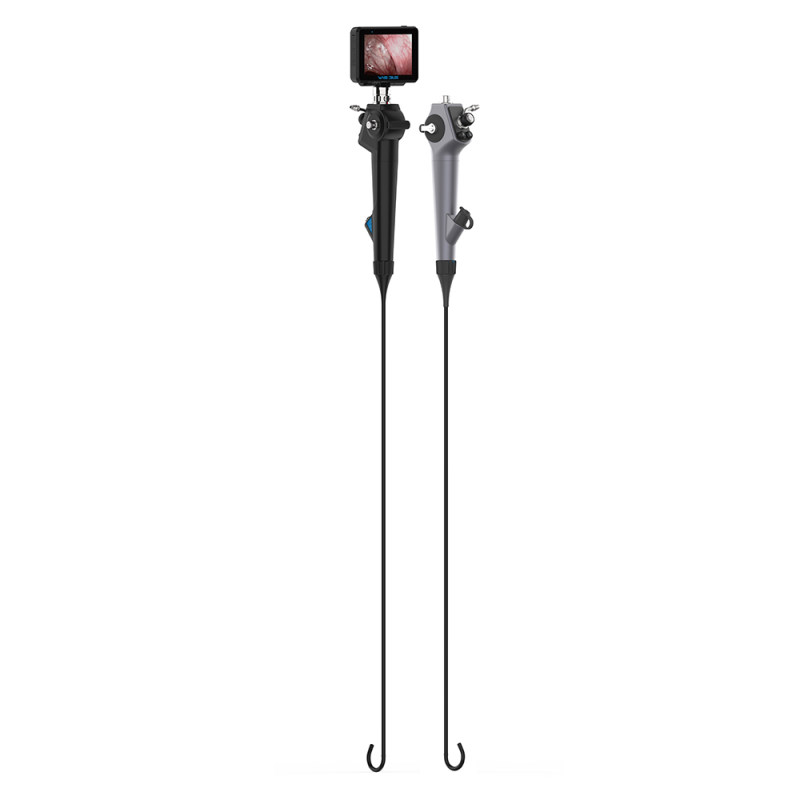
Portable Electronic Bronchoscope
Bitrumed's portable electronic bronchoscope (BFRP/BFRM series) is an advanced diagnostic and treatment device that combines high performance with user-friendly design. Its comprehensive range of models is suitable for a wide range of clinical scenarios, including pediatrics, providing a one-stop airway management solution.
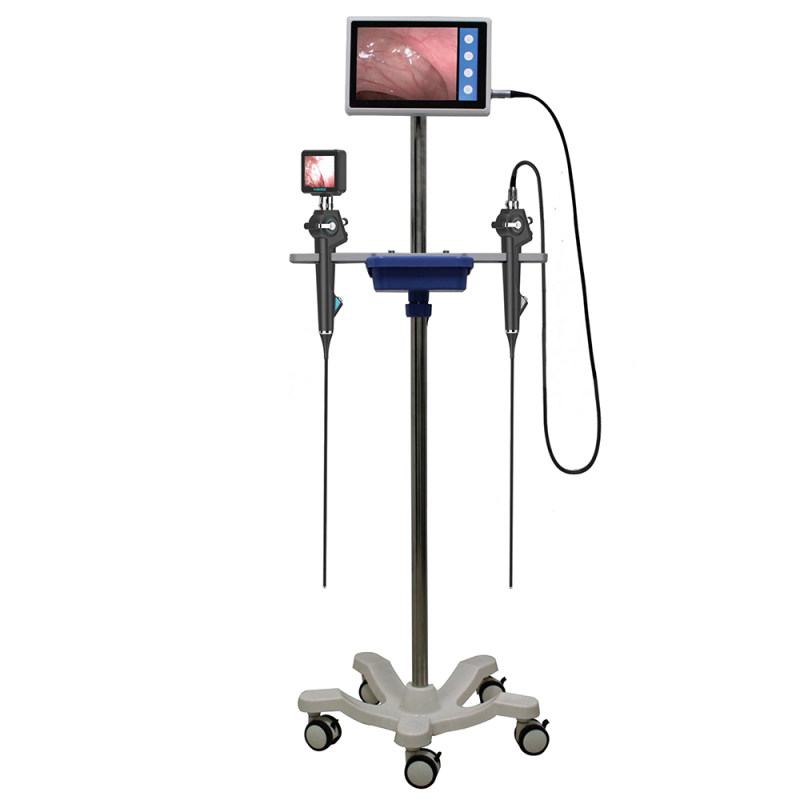
Bedside Electronic Bronchoscope
Bedside Electronic Bronchoscope is a device specially designed for critical care scenarios such as intensive care units (ICUs), emergency departments, and anesthesia departments.
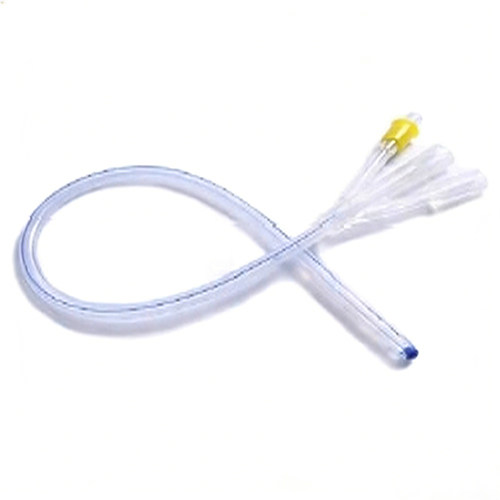
Urinary Catheter(3-Ways, Silicone, Foley Catheter)
Replace or assist patients in urination to drain urine, empty the bladder or perform intravesical treatment and diagnosis.
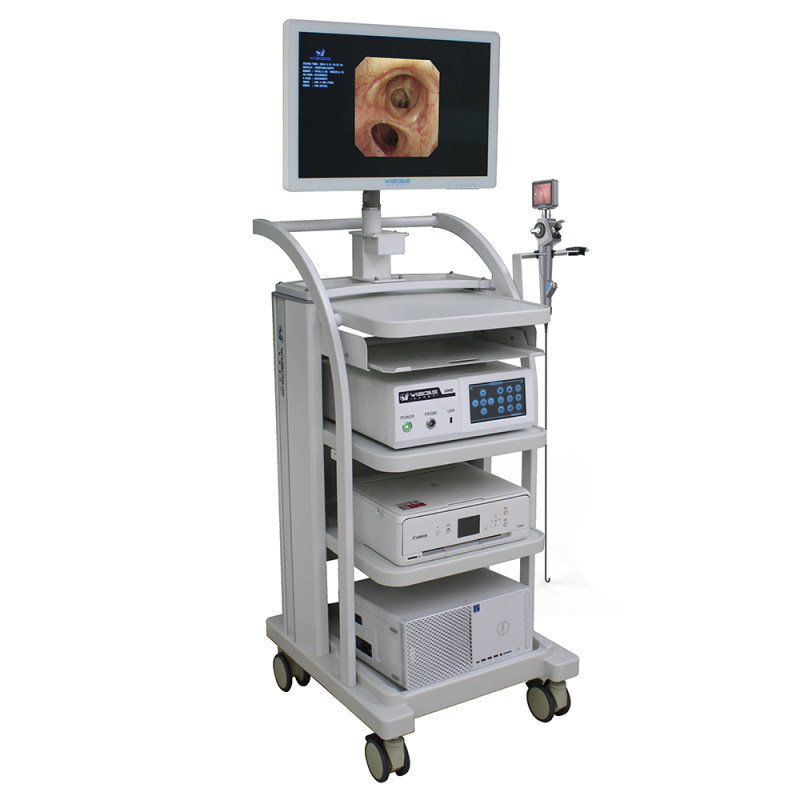
Work Station Electronic Bronchoscope
Work Station Electronic Bronchoscope is a higher-level, more comprehensive solution centered on diagnosis and research.
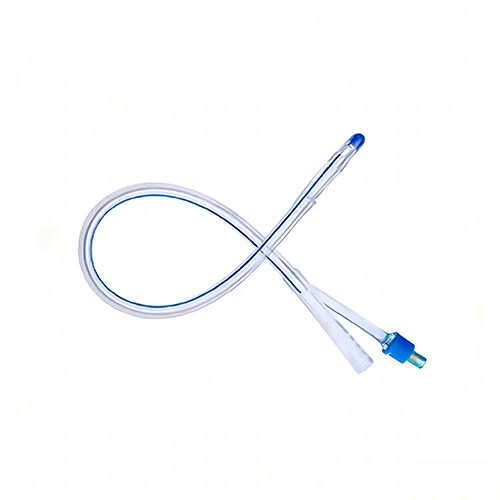
Urinary Catheter(2-Ways, Silicone, Foley Catheter With Large Balloon)
Replace or assist patients in urination to drain urine, empty the bladder or perform intravesical treatment and diagnosis.
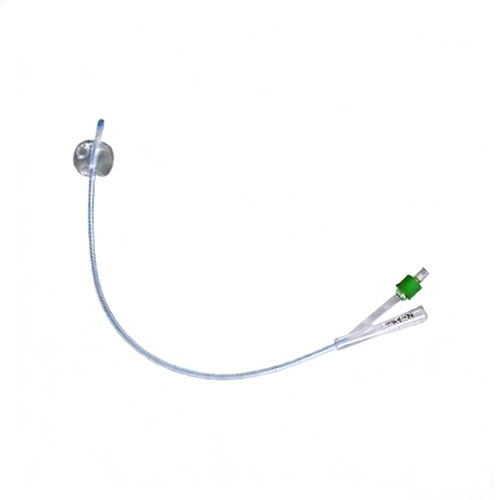
Urinary Catheter(2-Ways, Silicone, Foley Catheter)
Replace or assist patients in urination to drain urine, empty the bladder or perform intravesical treatment and diagnosis.
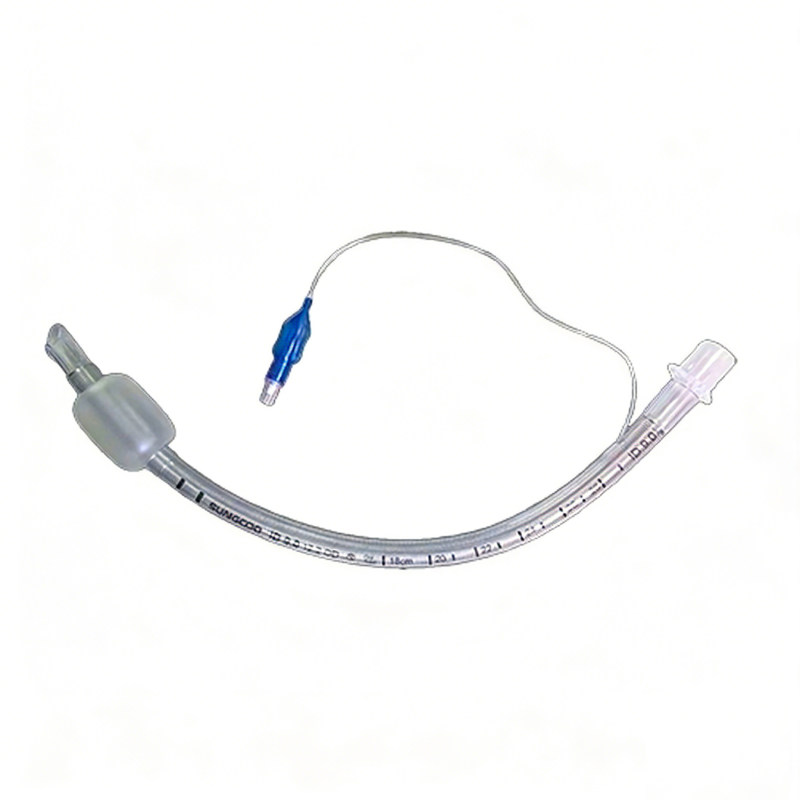
Single-use Endotracheal Tube (Reinforced Type, With Cuff, PVC)
The Single-use Endotracheal Tube is inserted into the trachea orally or nasally to create a temporary artificial breathing channel for the patient during clinical anesthesia or emergency treatment.
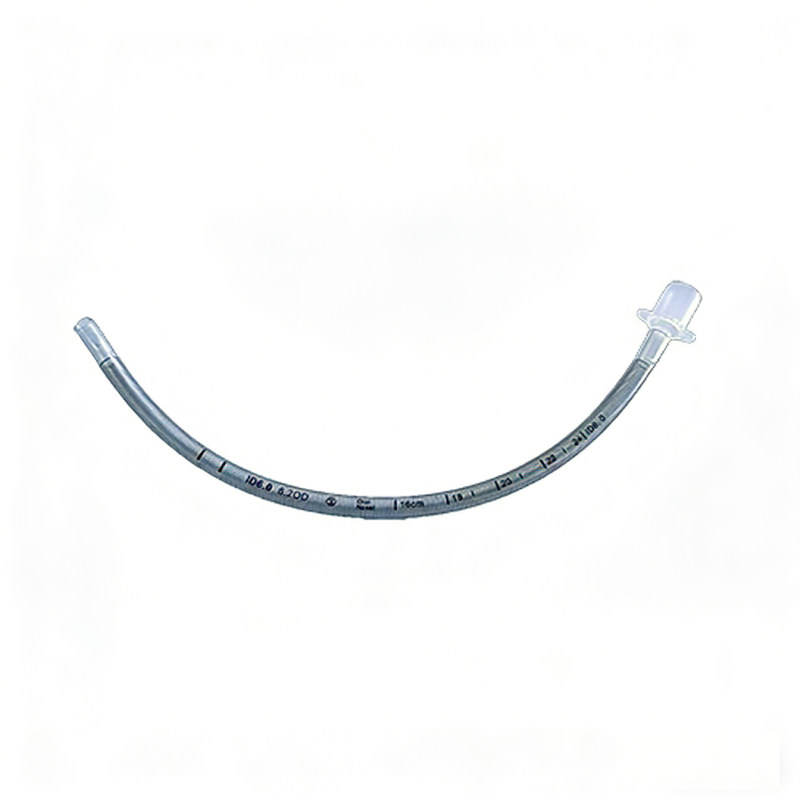
Single-use Endotracheal Tube (Reinforced Type, Without Cuff, PVC)
The Single-use Endotracheal Tube is inserted into the trachea orally or nasally to create a temporary artificial breathing channel for the patient during clinical anesthesia or emergency treatment.
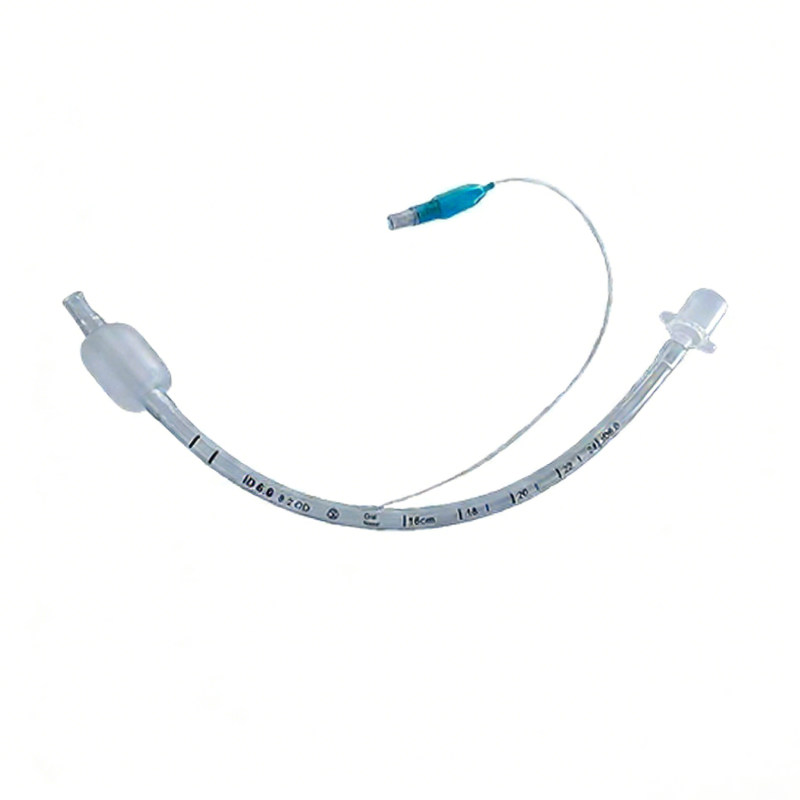
Single-use Endotracheal Tube (Normal Type, With Cuff, PVC)
The Single-use Endotracheal Tube is inserted into the trachea orally or nasally to create a temporary artificial breathing channel for the patient during clinical anesthesia or emergency treatment.
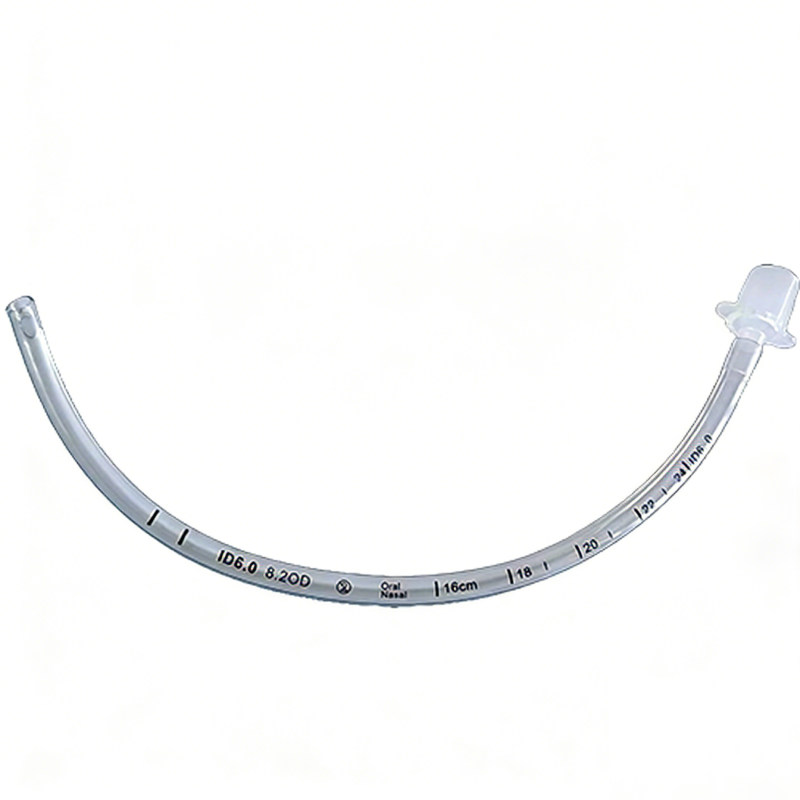
Single-use Endotracheal Tube (Normal Type, Without Cuff, PVC)
The Single-use Endotracheal Tube is inserted into the trachea orally or nasally to create a temporary artificial breathing channel for the patient during clinical anesthesia or emergency treatment.
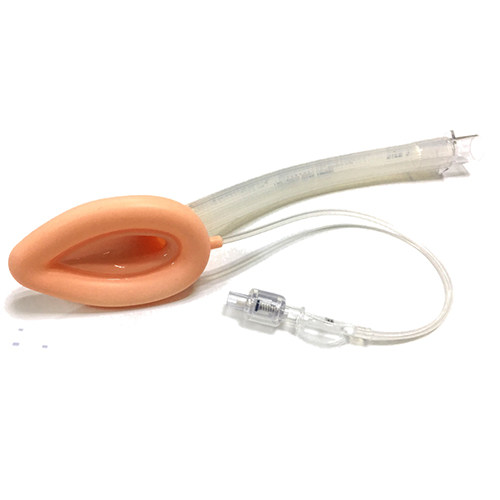
Classic LMA (Silicone)
Silicone material Easy to operate Significantly improves emergency care quality and efficiency Minimal impact on the hemodynamics Available in both pediatric and adult sizes Complete range of specifications
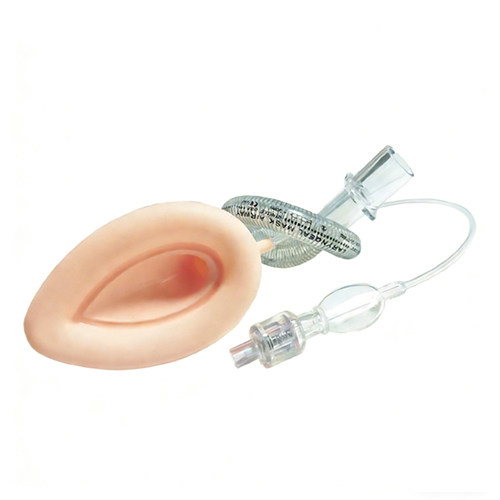
Reinforced LMA (Silicone)
Ideal airway management tool for ophthalmology, ENT, and other head & neck surgeries Inflatable cuff stays in place, providing excellent airtight seal Ventilation tube is flexible, unobstructed, and does not interfere with surgical field Tube is soft yet strong, allowing free adjustment of head and neck position Prevents blood and secretions above the cuff from contaminating the glottis or trachea, offering better patient protection Available in both pediatric and adult sizes, complete range of specifications
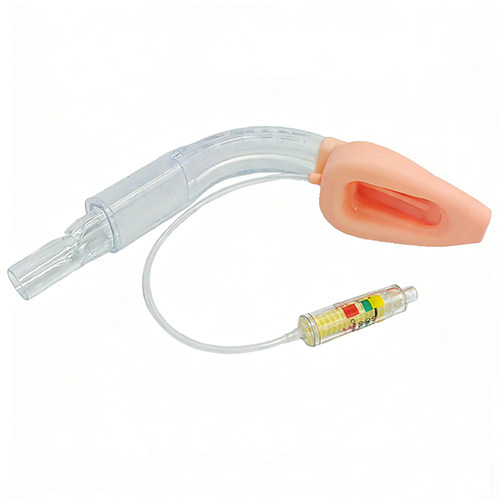
Pressure Indicator LMA (Silicone)
Pressure indicator for real-time monitoring and pressure visualization Green safety zone:Cuff pressure suitable(40~60cmH,0), the cuff effectively seals the airway and guarantees ventilation. Yellow mentioned zone:Cuff underpressure(0~40cmH,0), cuff underpressure,it’s easy to cause insufficient ventilation and VAP. Red warning zone:Cuff excessive pressure(>80cmH,O),cuff overinflation, the safety of blood flow is blocked, which can lead to mucosal ischemic necrosis
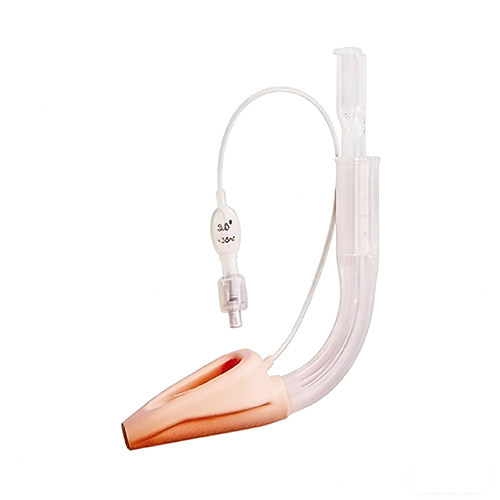
Drainage Type LMA (Silicone)
Anatomically curved design conforming to the pharyngeal structure for faster and easier insertion Dual-cuff design ensures an airtight seal; elongated cuff closely fits the pharyngeal anatomy Independent gastric drainage tube prevents regurgitation and aspiration Cuff structure supports airway pressure above 30 cm H2O, suitable for both spontaneous breathing and mechanical ventilation
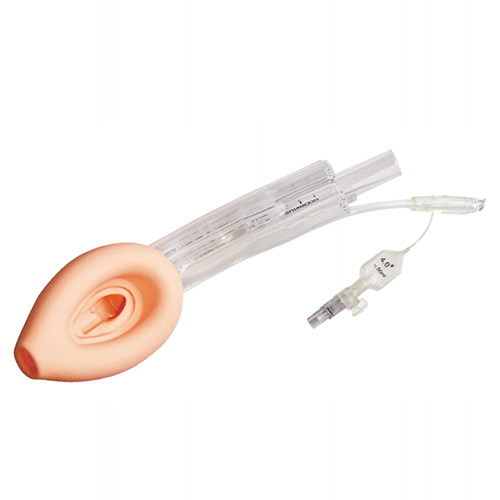
Double Anti-aspiration LMA (Silicone)
Dual anti-aspiration design with multi-lumen structure Suction function for airway secretions Quick deflation valve Compatible with insertion of ETT and gastric tube Available in both pediatric and adult sizes, with a full range of specifications
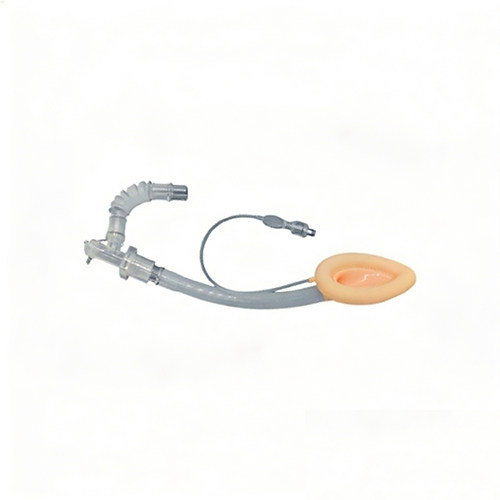
Single Lumen LMA for Fibrobrochoscopy Treatment (Silicone)
Convenient—Nebuliser Pipe: Perfect Combination of Fibrobronchoscopy Treatment and Ventilation Dual anti-aspiration design with multi-lumen structure Cuff design provides superior airway and esophageal sealing Multifunctional three-way connector allows airway management during bronchoscopy or treatment, enhancing surgical safety; seamless integration of ventilation and bronchoscopy Reduces patient trauma and discomfort during procedures Provides better protection for the bronchoscope
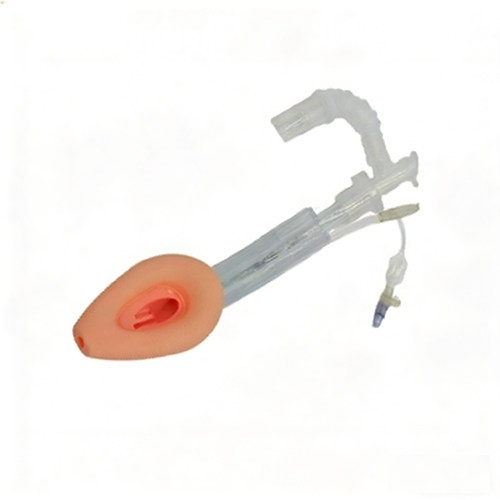
Double Lumen LMA for Fibrobrochoscopy Treatment (Silicone)
Convenient—Nebuliser Pipe: Perfect Combination of Fibrobronchoscopy Treatment and Ventilation Dual anti-aspiration design with multi-lumen structure Cuff design provides superior airway and esophageal sealing Multifunctional three-way connector allows airway management during bronchoscopy or treatment, enhancing surgical safety; seamless integration of ventilation and bronchoscopy Reduces patient trauma and discomfort during procedures Provides better protection for the bronchoscope
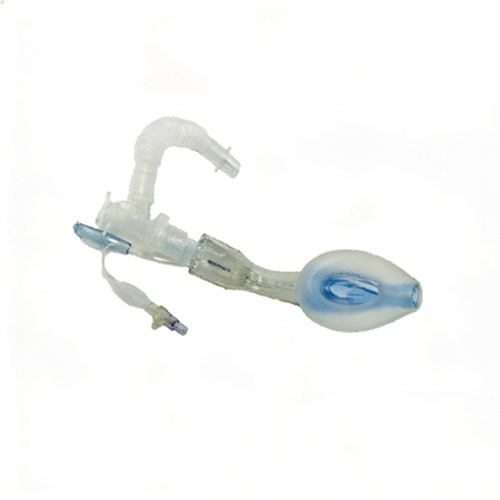
Double Lumen LMA for Fibrobronchoscopy Treatment (PVC)
Convenient—Nebuliser Pipe:Perfect Combination of Fibrobronchoscopy Treatment and Ventilation Dual anti-aspiration design with multi-lumen structure Cuff design provides superior airway and esophageal sealing Multifunctional three-way connector allows airway management during bronchoscopy or treatment, enhancing surgical safety; seamless integration of ventilation and bronchoscopy Reduces patient trauma and discomfort during procedures Provides better protection for the bronchoscope
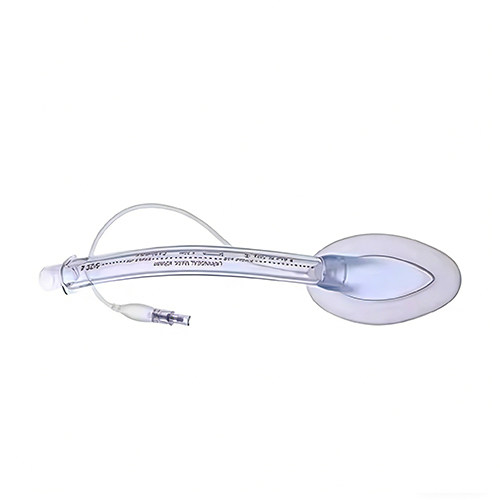
Classic LMA (PVC)
PVC material Easy to operate Significantly improves emergency care quality and efficiency Minimal impact on the hemodynamics Available in both pediatric and adult sizes Complete range of specifications
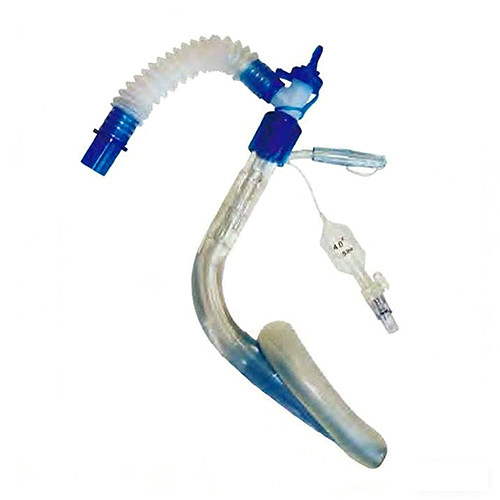
Single Lumen LMA for Fibrobronchoscopy Treatment (PVC)
Convenient—Nebuliser Pipe:Perfect Combination of Fibrobronchoscopy Treatment and Ventilation Dual anti-aspiration design with multi-lumen structure Cuff design provides superior airway and esophageal sealing Multifunctional three-way connector allows airway management during bronchoscopy or treatment, enhancing surgical safety; seamless integration of ventilation and bronchoscopy Reduces patient trauma and discomfort during procedures Provides better protection for the bronchoscope
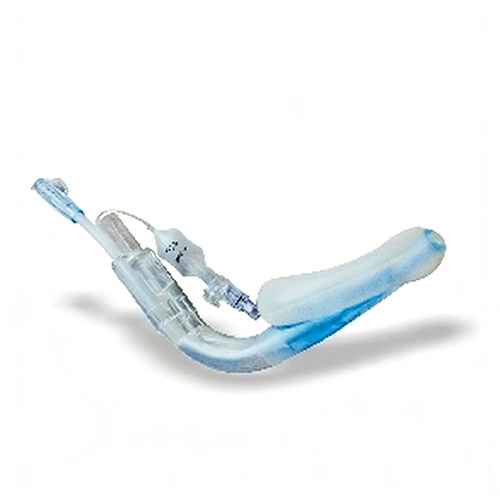
Double Anti-aspiration LMA (PVC)
Dual anti-aspiration design with multi-lumen structure Suction function for airway secretions Quick deflation valve Compatible with insertion of ETT and gastric tube Available in both pediatric and adult sizes, with a full range of specifications
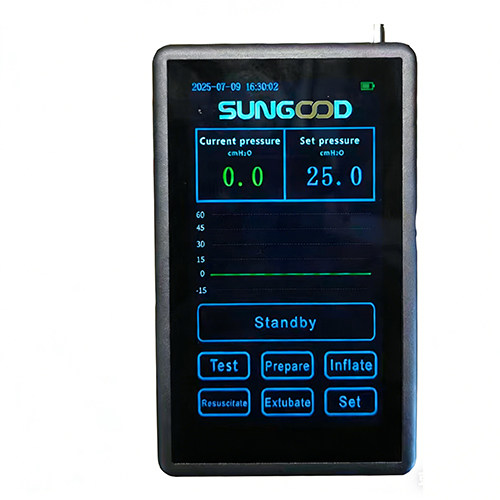
Cuff Pressure Monitor
Mechanical filling and venting the cuff; Pressure visible and monitoring. This product needs to be connected to a tracheal tube during normal use. The tracheal tube is used as an application part.
_r__1890-1890_c__0c457d_.png?x-oss-process=style/thumb_png_small)
Gastric Mucosal Healing Gel
The Gastric Mucosal Healing Gel is a two-part solution composed of a coating gel and a firming gel, designed to adhere to gastric mucosal wounds after surgery, forming a protective barrier that effectively isolates gastric acid stimulation, reduces inflammation, and provides an optimal environment for healing. By accelerating the healing process and improving the quality of wound recovery, the gel helps restore mucosal layer function, while significantly reducing postoperative pain, lowering the risk of complications, and minimizing the need for secondary surgical interventions, ensuring a safer and more comfortable recovery for patients.
_r__1890-1890_c__2e6389_.png?x-oss-process=style/thumb_png_small)
Esophageal Mucosal Healing Gel
The Esophageal Mucosal Healing Gel is a two-part solution composed of a coating gel and a firming gel, specifically developed to adhere to esophageal mucosal wounds and form a protective barrier that effectively isolates food or other irritants. By reducing inflammation, suppressing fibrosis, minimizing scar formation, and preventing postoperative esophageal stricture, it creates an optimal environment for wound healing. This targeted protection accelerates recovery, improves the quality of mucosal healing, restores normal esophageal function, and helps patients experience less pain and fewer complications, ultimately reducing the risk of re-intervention and easing the economic burden of treatment.
_r__1890-1890_c__286480_.png?x-oss-process=style/thumb_png_small)
Intestinal Mucosal Healing Gel
The Intestinal Mucosal Healing Gel is a two-part solution composed of a coating gel and a firming gel, specifically developed to adhere to intestinal mucosal wounds after surgery and provide effective protection throughout the healing process. By reducing inflammation, supporting epithelial cell proliferation and migration, and creating an optimal environment for recovery, it accelerates wound healing and improves the quality of mucosal repair. In particular, it helps prevent postoperative delayed perforation—a unique risk in intestinal surgery—while restoring normal mucosal function. For patients, it significantly lowers the risk of complications, reduces the likelihood of secondary surgical interventions, and ensures a safer, faster, and more effective recovery.

暂无数据.No Data.